Japanese Gardens Dive Site
Koh Tao, Thailand · Near Koh Tao
Overview
Japanese Gardens sits on the east side of Koh Nang Yuan, the three-peaked island connected by a sandbar that has launched a million Instagram posts. The name comes from the meticulously arranged coral formations that cover the bay floor, their orderly spacing and variety giving the reef the appearance of a landscaped garden viewed from above. Whether that is genuinely how it got the name or just a convenient story that stuck, nobody on Koh Tao seems to know for certain. It does not matter. The reef speaks for itself.
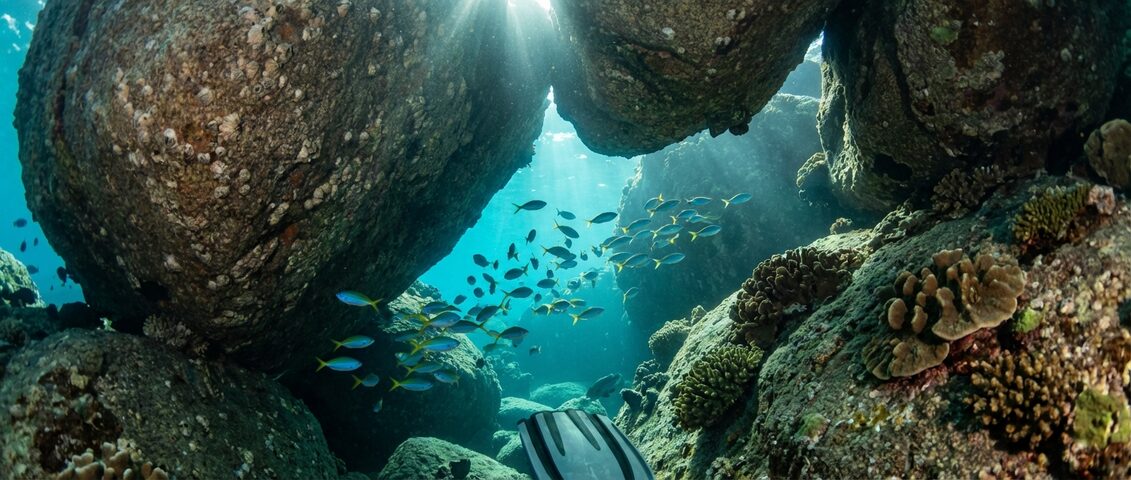
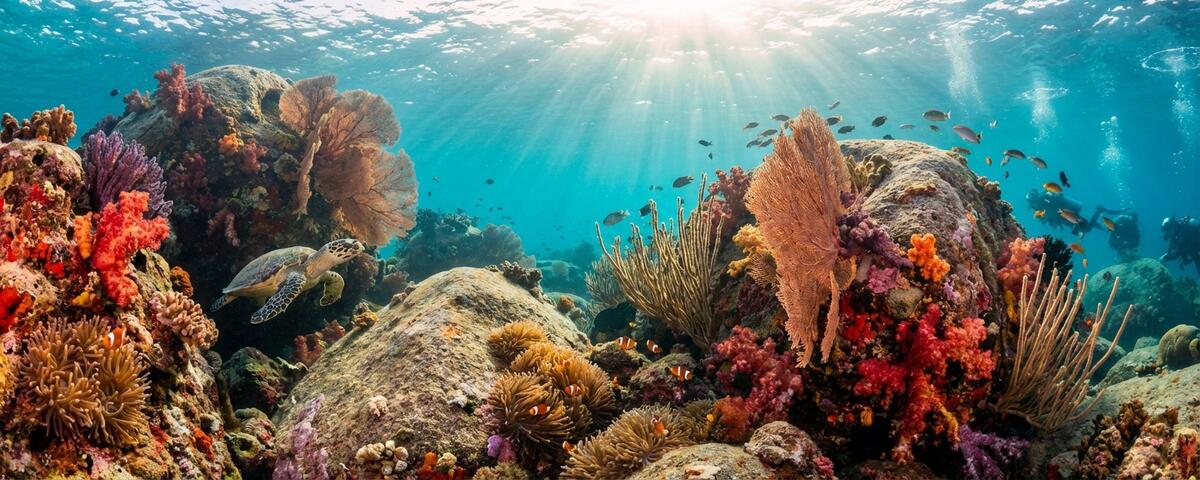
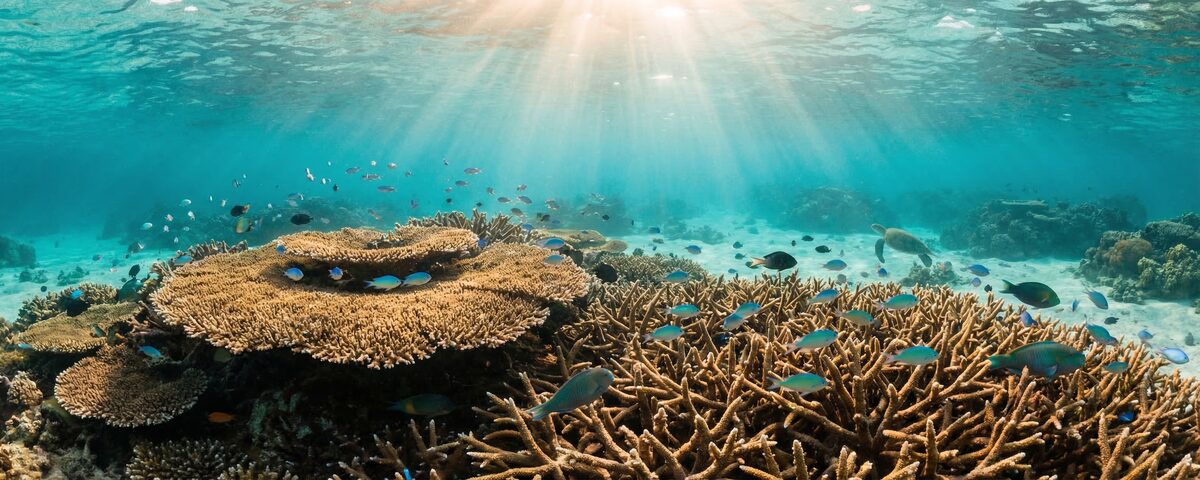
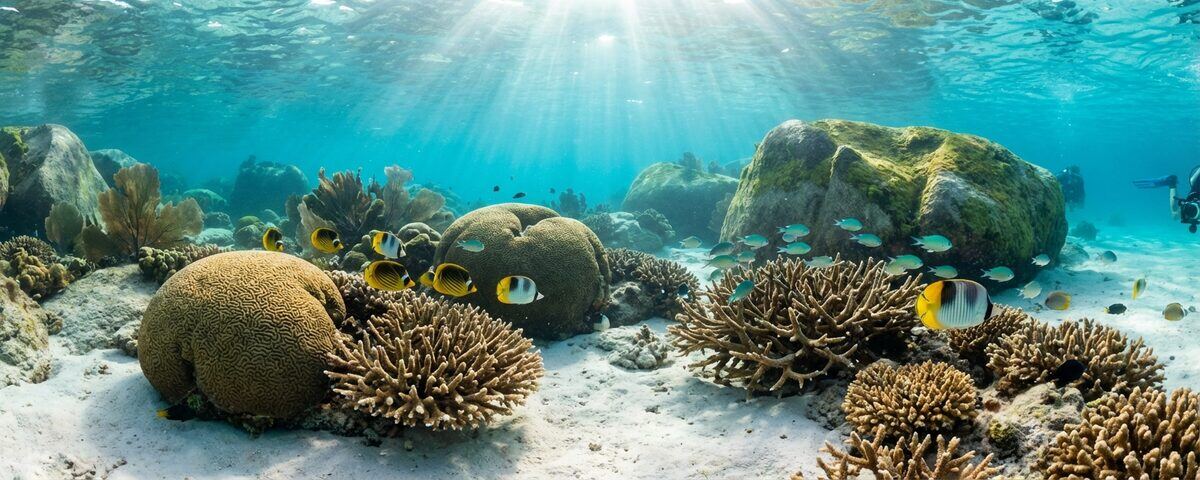
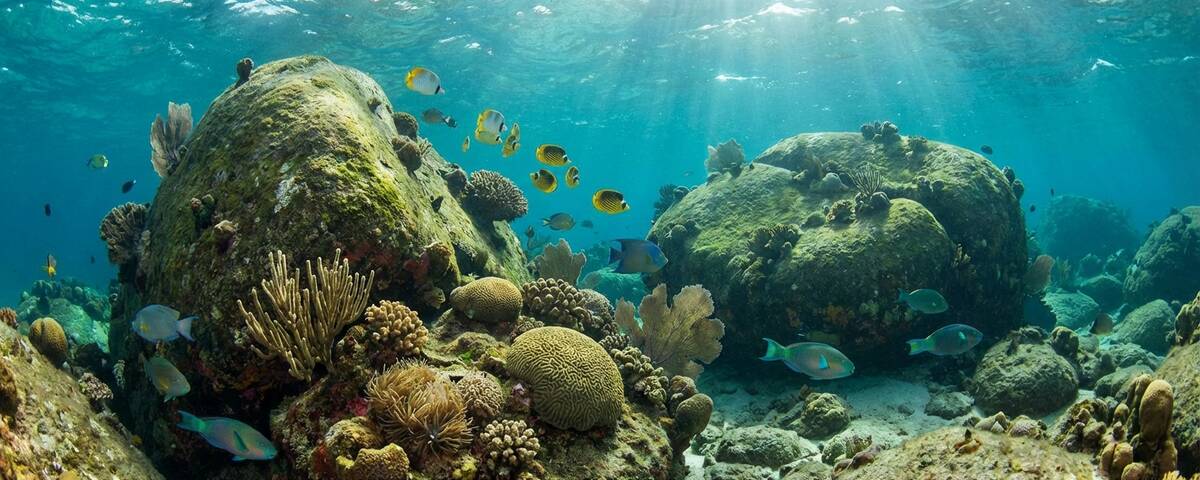
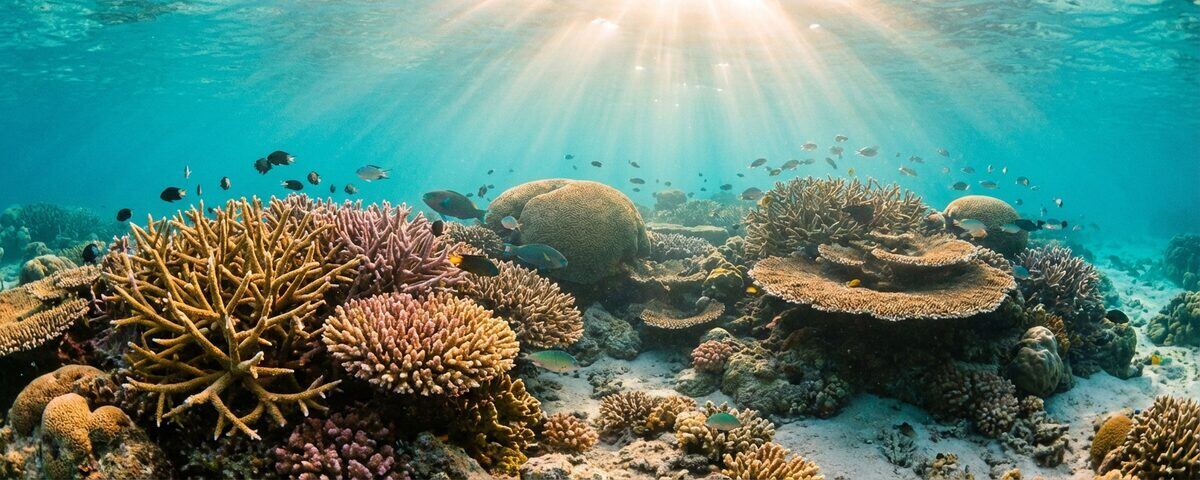
This is one of the few dive sites on Koh Tao where the coral is the headline act rather than the fish. The reef stretches from paddling depth right out to about 14 or 16 metres, covering the entire bay in an unbroken carpet of hard coral diversity that genuinely surprises people who have written off the Gulf of Thailand as a training-only destination. Towering compact coral heads stand 3 to 5 metres tall in places. Fields of staghorn coral fill the gaps between them. Lettuce coral, mushroom coral, table coral, and massive brain corals all grow within fin-kicking distance of each other, creating a living catalogue of reef-building species.
The site sits directly opposite Twins (Twin Peaks), separated by the sandbar that joins Koh Nang Yuan's peaks together. Dive boats typically moor on the eastern side, dropping divers into 3 to 5 metres of water where the reef begins almost immediately. From there, the terrain slopes gradually north and east into deeper water, with the best coral concentration between 4 and 12 metres. There is no wall, no dramatic drop-off, no current-swept pinnacle. Just an enormous, healthy, diverse coral garden that rewards slow diving and close observation.
For training purposes, Japanese Gardens is arguably the best site on Koh Tao for Open Water qualifying dives. The shallow, protected water means instructors can run skills without fighting conditions, and the surrounding reef ensures students see genuine marine life between exercises. But reducing this to a training site misses the point. Experienced divers who take the time to work the reef slowly, checking crevices and overhangs, will find more coral species per square metre here than at most sites in the Gulf of Thailand. The site also doubles as one of the island's premier snorkelling spots, with coral visible in waist-deep water on calm days.
What makes Japanese Gardens work is its position. Koh Nang Yuan shields the bay from the prevailing weather, creating consistently calm conditions even when other east-coast sites are being hammered. Currents are negligible most of the time. The combination of easy access, shallow depth, and genuine reef quality means this site absorbs enormous diver traffic without the degradation you might expect. Credit for that goes partly to the coral's resilience and partly to the mooring buoy system that keeps anchors off the reef.
Marine Life at Japanese Gardens
The coral diversity is the first thing that registers, and it stays with you longer than any individual fish sighting. Japanese Gardens contains the widest variety of hard coral species of any site around Koh Tao, and the range is visible even to divers who could not name a single species. The textures alone tell the story: smooth domes of brain coral alongside the branching fingers of staghorn colonies, flat plates of table coral casting shadows over the reef below them, and ruffled sheets of lettuce coral filling every gap in between.
Compact coral and lobed pore coral heads are the dominant structures, some reaching 4 to 5 metres in height. Their surfaces are punctured by boring clams, their vibrant mantles flashing neon blue and green when they sense a shadow passing overhead. Christmas tree worms spiral out from holes in the coral heads, their feathery radioles filtering the water in reds, yellows, blues, and whites. Wave a hand past them and they vanish instantly, only to reappear thirty seconds later as if nothing happened.
Barrel sponges sit on the deeper margins of the reef between 10 and 14 metres. They are modest by Indo-Pacific standards but large enough to be photogenic. Soft corals appear in patches along the reef edges where mild current brings nutrients. Anemone colonies host several species of clownfish, and the anemones range from bubble-tip to carpet varieties. The clownfish are thoroughly habituated to divers and will hold their ground for photographs, occasionally darting out to nip at a camera port.
For fish, the reef supports a healthy permanent population rather than the schooling pelagic spectacles you find at deeper sites. Butterflyfish and angelfish work the coral surfaces in pairs. Damselfish hover in territorial clouds above staghorn thickets, charging anything that ventures too close to their patch, including divers fifty times their size. Parrotfish cruise the reef in small groups, their beaks audibly crunching coral as they feed. Wrasse species are everywhere, from the tiny cleaner wrasse operating their stations on coral heads to the larger Napoleon wrasse that occasionally passes through.
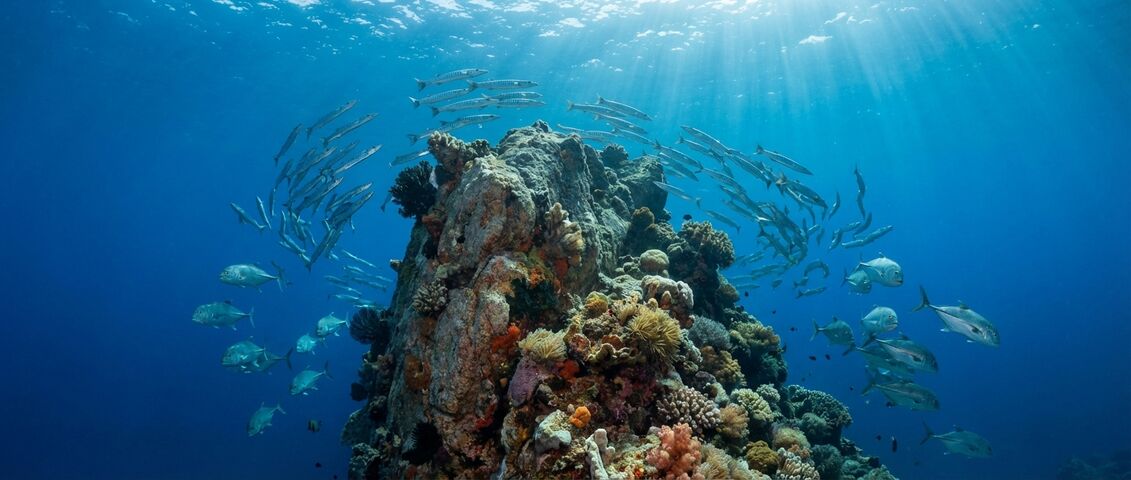
Blue-spotted stingrays rest on sandy patches between coral formations. They flush easily, lifting off the sand with a lazy wingbeat and gliding to the next hiding spot a few metres away. Green turtles visit the reef to feed on algae and rest in sandy depressions, though they are less reliable here than at nearby White Rock. Yellowtail barracuda school loosely above the reef in the mornings. Schools of fusiliers provide the constant background motion.
The macro life gets better the slower you go. Nudibranchs populate rocky surfaces throughout the reef, with Chromodoris and Phyllidiidae species being the most common. Banded coral shrimp and cleaner shrimp occupy holes and crevices. Moray eels, primarily white-eyed morays, rest in their burrows with heads protruding. Scorpionfish lie camouflaged on rubble patches at the reef margins, their textured skin blending with the substrate.
Night diving at Japanese Gardens reveals a different cast. Basket stars extend their feeding arms. Crabs emerge from the reef framework in numbers. Sleeping parrotfish wedge into coral heads, cocooned in mucus. Octopuses patrol the reef hunting, their colour changes dramatic under torchlight. The sheer density of coral means there is structure everywhere for nocturnal creatures to inhabit, and the shallow depth profile allows long bottom times to explore it all.
Dive Conditions
Japanese Gardens is one of the most sheltered dive sites on Koh Tao, and that is the primary reason it works so well for so many different skill levels. Koh Nang Yuan blocks the prevailing weather from reaching the bay, and the shallow reef does not generate the thermoclines or surge that affect deeper, more exposed sites around the island.
Currents are minimal. On most dives you will feel nothing at all, and even on the rare occasions when a mild drift develops, it pushes gently along the reef rather than pulling divers off it. Spring tides can create a slight flow, but nothing that would challenge an Open Water student. This predictability is why every dive school on Koh Tao includes Japanese Gardens in their training rotation.
The depth profile is straightforward. The reef starts in 1 to 2 metres of water close to shore and slopes gradually to 14 to 16 metres at the northern and eastern margins. Most of the interesting coral sits between 4 and 12 metres, which is where the majority of each dive is spent. The sandy bottom beyond the reef drops to roughly 16 metres before becoming featureless. There is no reason to go deep here; the shallow sections are where the diversity concentrates.
Visibility in the Gulf of Thailand is seasonal. During the best months from March through September, Japanese Gardens can produce 15 to 25 metres of visibility, with the water taking on that clear turquoise quality that looks good in every photograph. October through February brings the northeast monsoon, and visibility can drop to 5 to 10 metres as plankton blooms and runoff reduce clarity. Even on reduced-visibility days, the site remains diveable because you are always close to the coral and the fish life does not disappear.
Water temperature stays between 27 and 30 degrees year-round in the Gulf of Thailand. A 3mm shorty is adequate for most divers. Those who get cold easily might prefer a 3mm full suit during the cooler months of December and January, when the water can occasionally dip toward 26 degrees at depth. Thermoclines are rare at this shallow site.
Surface conditions in the bay are almost always calm. The sheltered position means that even on days when the sea beyond Koh Nang Yuan is choppy, the entry and exit at Japanese Gardens stay manageable. Dive boats moor to buoys on the east side, and the swim to the reef is short. Snorkellers and divers often share the water, so maintaining awareness of surface traffic is worth noting during ascents.
The only real challenge at this site is the foot traffic. Japanese Gardens receives a high volume of divers and snorkellers daily, particularly during peak season. Dive boats queue at the mooring buoys during the morning rush. This does not affect safety, but it does mean that diving here in the early morning or late afternoon produces a quieter, more enjoyable experience. The reef itself handles the traffic well, partly because the mooring system prevents anchor damage and partly because the coral species here are relatively robust.
⚓ Divemaster Notes
Japanese Gardens is the site I recommend to people who tell me they have already seen everything Koh Tao has to offer. Not because it is dramatic, but because most divers rush through it on a training dive and never come back to actually look at the reef.
The coral diversity here genuinely rivals sites that cost three times as much to reach. I have counted over 30 hard coral species on a single dive when I was bothering to keep track. The problem is that most people swim over it at speed, looking for the big stuff, and miss what makes this site special. Slow down. Get your face within 30 centimetres of a coral head and just look at what is living on it. Christmas tree worms, boring clams, tiny gobies perched on the surface, commensal shrimp in the crevices. There is a small ecosystem happening on every single coral formation.
I start most guided dives heading north from the mooring buoy, following the reef slope down to the 10 to 12 metre zone where the largest coral heads sit. The towering compact corals in this section are the most impressive structures on the site, and they attract the most fish activity. From there, I work east along the reef margin where barrel sponges sit on the deeper sand, then loop back through the shallower sections at 4 to 8 metres where the staghorn fields and lettuce coral carpets are densest.
For photography, morning light is best. The bay faces east, so from about 8am to 10am the sunlight comes in at an angle that penetrates the water beautifully and lights up the coral colours. Afternoon dives still work, but the light becomes flatter and the colours less vivid. Wide-angle is the call here, not macro. The coral formations are the subject, and you want to capture the scale and variety of the reef rather than individual creatures.
Buoyancy matters more than usual because the coral starts in such shallow water. On a low tide, the top of some formations sits within a metre of the surface. A diver sinking through a buoyancy check at 2 metres can land directly on decades-old coral growth. I brief every group on this, and I watch new divers closely during the first few minutes to make sure they have control before leading them over the reef.
The site works brilliantly for night dives if you can arrange it. Most operators do not run night dives here as frequently as at White Rock, but those that do report excellent results. The coral framework provides so much structure for nocturnal life that you barely need to move. Pick a section of reef and spend the entire dive exploring a 10-metre radius. You will not run out of things to find.
One operational note: the mooring buoys get busy between 9am and 11am. If you have flexibility in your schedule, arriving before 8:30 or after 1pm gives you the site almost to yourself. The difference in experience between a busy morning dive and a quiet afternoon dive here is significant.
How to Get to Japanese Gardens
Japanese Gardens is located on the east side of Koh Nang Yuan, a small three-peaked island roughly 500 metres northwest of Koh Tao's main pier at Mae Haad. Getting there is straightforward from anywhere on Koh Tao.
Most dive operators run daily boats to the site, departing from Mae Haad or Sairee Beach. The boat ride takes 10 to 15 minutes. Japanese Gardens is commonly paired with Twins on the opposite side of Koh Nang Yuan, or with White Rock which sits nearby between Koh Nang Yuan and Koh Tao. A typical morning schedule includes two dives at these sites before returning for lunch.
Koh Tao itself is reached by ferry from the mainland or neighbouring islands. Lomprayah and Seatran Discovery operate high-speed catamarans from Chumphon (1.5 hours), Koh Phangan (30 minutes to 1 hour), and Koh Samui (2 hours). Night ferries from Chumphon are also available. From Bangkok, the most common route is a flight to Surat Thani or Chumphon airport followed by a bus transfer and ferry, or an overnight sleeper train to Chumphon and morning ferry. Combined bus and ferry tickets from Bangkok are available and take 8 to 10 hours total.
Koh Nang Yuan itself charges a landing fee (currently 100 to 150 Thai Baht) for visitors arriving by longtail boat or snorkel trip. Divers arriving with a dive operator to dive the site from a boat do not need to pay this fee as they do not land on the island. However, if you want to combine a dive trip with time on the famous sandbar beach, budget for the fee.
Accommodation on Koh Tao clusters around Sairee Beach (the main strip with most dive schools), Mae Haad (the pier town), and Chalok Baan Kao (the quieter southern bay). All three are within easy reach of operators running boats to Japanese Gardens. There is one resort on Koh Nang Yuan itself, Nangyuan Island Dive Resort, which provides the closest possible base.
Gear Recommendations
A 3mm shorty or full wetsuit is sufficient for Japanese Gardens year-round. Those who feel the cold should bring a 3mm full suit for cooler months. Wide-angle lens recommended for underwater photography to capture the scale of coral formations. Macro lens useful for detail work on Christmas tree worms, boring clams, and nudibranchs. Torch helpful for illuminating colours in crevices and under overhangs, though not essential for daytime dives. Reef-safe sunscreen if snorkelling. Nitrox certification is useful for extending bottom time, though the shallow depth profile means air consumption is rarely an issue. SMB for surface signalling on ascent.
Recommended Dive Operators
Crystal Dive Koh Tao is one of the island's largest PADI 5-Star Career Development Centres, running daily boats to Japanese Gardens with experienced multilingual staff and well-maintained equipment. Their Open Water courses frequently use the site for qualifying dives. Ban's Diving Resort operates from Sairee Beach with a massive training fleet and includes Japanese Gardens on their standard rotation for both courses and fun dives. New Way Diving offers smaller group sizes and their guides know the coral formations at Japanese Gardens well enough to point out the less obvious species. Big Blue Diving has strong conservation credentials and runs regular trips to the site, with divemasters who can identify coral species and the macro life hiding among them. Coral Grand Divers operates from Mae Haad and offers Japanese Gardens as part of their two-dive morning trips, typically paired with Twins or White Rock. For snorkelling, most operators on Koh Tao offer half-day snorkel trips that include Japanese Gardens as a stop.
Liveaboard Options
Koh Tao does not have a significant liveaboard industry because the island is small enough that all dive sites are accessible by daily boat trips within 15 to 45 minutes. Japanese Gardens is roughly 10 minutes from Mae Haad pier, making it one of the closest sites to reach. Liveaboards in the Gulf of Thailand do exist, typically running multi-day itineraries that combine Koh Tao, Sail Rock, Chumphon Pinnacles, and Ang Thong National Marine Park. These will often include Japanese Gardens and other Koh Nang Yuan sites as part of the Koh Tao portion of the trip. MV Giamani and Thailand Liveaboards operate Gulf routes that stop at Koh Tao sites. However, for most divers visiting Koh Tao specifically, a land-based stay with daily dive trips is more practical and significantly cheaper than a liveaboard. A two-dive morning trip including Japanese Gardens typically costs 2,000 to 3,000 Thai Baht (roughly USD 55 to 85) from Koh Tao operators.