East of Eden Dive Site
Similan Islands (Andaman Sea), Thailand · Near Khao Lak
Overview
East of Eden is the dive site that makes people fall in love with the Similan Islands. Sitting on the sheltered eastern flank of Koh Payu (Island 7), this gently sloping reef runs north to south along the coastline and drops from 5 metres down to a sandy bottom at around 35 metres. The visibility here is routinely the best in the entire archipelago. On a good day, you can see 40 metres. On a normal day, you can still see 25. That kind of clarity, combined with a reef smothered in soft corals and one of the most spectacular coral bommies in Southeast Asia, puts East of Eden firmly in the conversation for Thailand's finest dive.
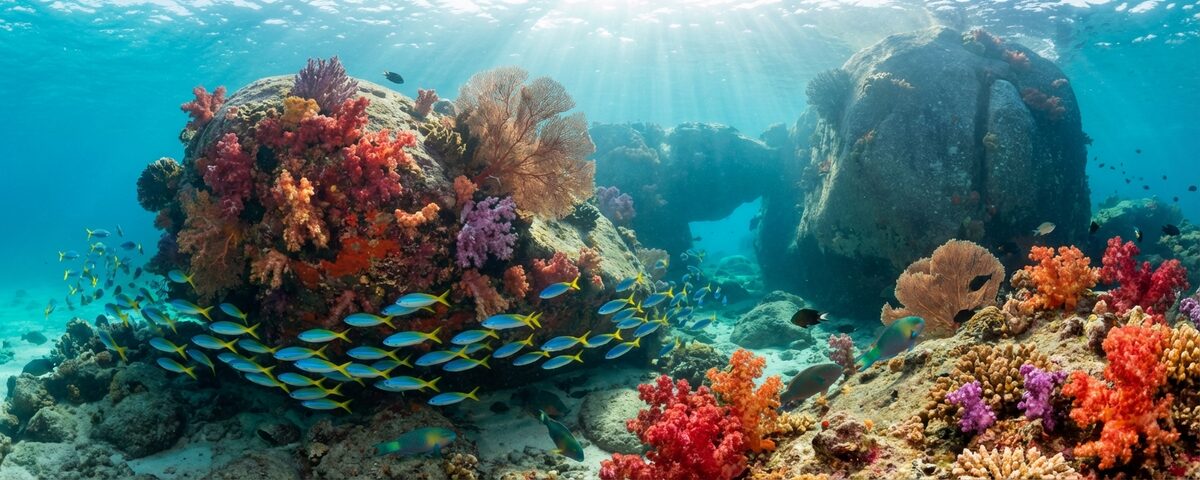
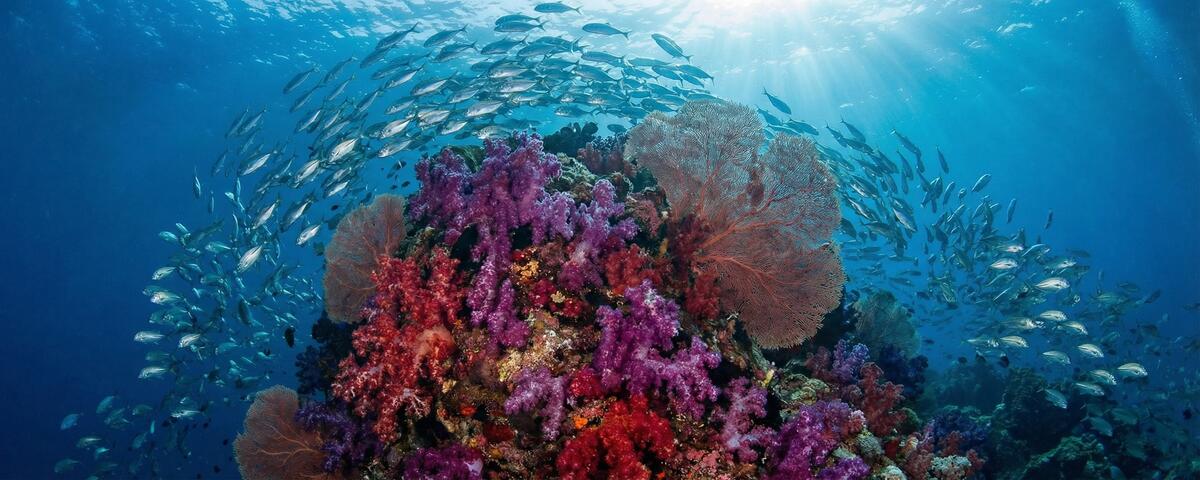
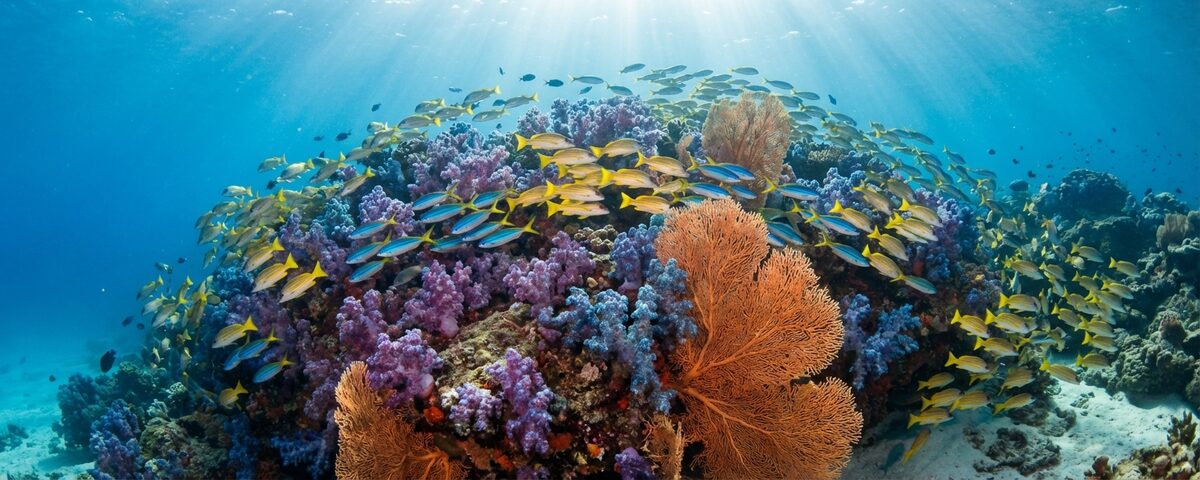
The site's centrepiece is a massive standalone bommie positioned roughly halfway along the reef. Its top sits at about 8 metres and its base rests on sand at 25. Every surface is encrusted with soft corals in purples, blues, and reds, punctuated by gorgonian sea fans, barrel sponges, and clusters of anemones. A National Geographic crew once spent an entire week filming just this single structure. That should tell you something about the density of life concentrated on one rock.
The eastern orientation gives the site natural protection from the prevailing northwest swells that batter the western faces of the Similan Islands. While the west side of Koh Payu gets hammered by waves and surge, the east side sits in relative calm. This makes East of Eden accessible to divers of all levels, from newly certified Open Water students to experienced photographers spending 70 minutes picking through the macro life on the main bommie.
The Similan Islands National Park closes annually from mid-May through mid-October during the southwest monsoon season. East of Eden is only accessible during the open season from November to May, with peak conditions from January through April when the water is at its warmest, the visibility at its highest, and the chance of encountering whale sharks and manta rays at its greatest. The site has had a complicated history with closures and reopenings following the 2004 tsunami and the 2010 coral bleaching event, but the reef has shown remarkable recovery. The soft corals in particular have bounced back aggressively, and the deeper sections below 15 metres now display colour coverage that rivals what older photographs show from before the bleaching.
Almost every liveaboard operating out of Khao Lak includes East of Eden on its Similan Islands itinerary. Day trip boats from Khao Lak and the Tab Lamu pier reach the site in about 90 minutes. It is one of the most dived sites in the archipelago, and during peak season (January to March) you will share the water with other groups. The reef is large enough to absorb the traffic without feeling crowded, but early morning dives before the day trip boats arrive offer the best experience.
Marine Life at East of Eden
The main bommie dominates the dive. It rises from the sand like a small mountain, and every centimetre of its surface supports life. Soft corals in violet, indigo, and crimson cover the upper sections. Orange and red gorgonian sea fans spread across the deeper faces, some of them exceeding a metre in diameter. Barrel sponges anchor into crevices along the sides. The visual effect is overwhelming. There is more colour concentrated on this single structure than on entire reefs at lesser sites.
Glassfish swarm in dense silver clouds inside the bommie's overhangs and crevices. Sweep your torch beam through the cloud and the light refracts into a thousand tiny mirrors. Behind the glassfish, look for boxer shrimp and hingebeak shrimp tucked into the darker recesses. Durban dancing shrimp and banded coral shrimp occupy cleaning stations where groupers and sweetlips queue patiently for their turn.
Emperor angelfish patrol the bommie's perimeter in pairs. If you are fortunate, you may spot a juvenile emperor with its hypnotic spiral pattern of white and dark blue lines, one of the most beautiful fish on any reef anywhere. Blue-ringed angelfish and regal angelfish also frequent the structure, though the regal tends to hide at around 16 metres on the southern face and requires patience to photograph.
Oriental sweetlips hover under overhangs in small groups, their spotted bodies almost motionless. Coral grouper watch from territorial positions among the soft coral branches. Longnose hawkfish perch on gorgonian fans, gripping the branches with adapted pelvic fins and scanning for passing plankton.
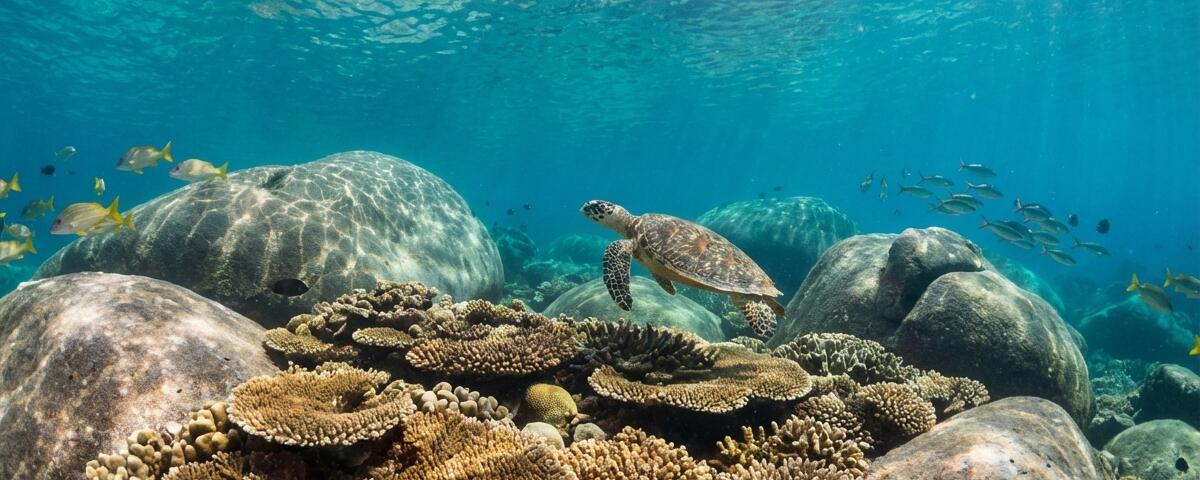
Away from the main bommie, the reef slope is scattered with smaller coral heads, table corals, and patches of staghorn and blue coral. The northern section of the site holds a cluster of hard corals where frogfish occasionally hide among the sponges. Scorpionfish and lionfish are common throughout. Banded sea kraits hunt through the coral heads with that distinctive sinuous swimming motion, poking into holes and gaps looking for small fish.
Schools of bluestripe snapper hang in the water column above the reef, their yellow bodies forming dense aggregations that shift and reform with the current. Fusiliers stream past in huge numbers during current phases. Butterflyfish work the coral in pairs: yellow longnose butterflyfish probe the deeper crevices while threadfin butterflyfish pick at polyps along the reef crest.
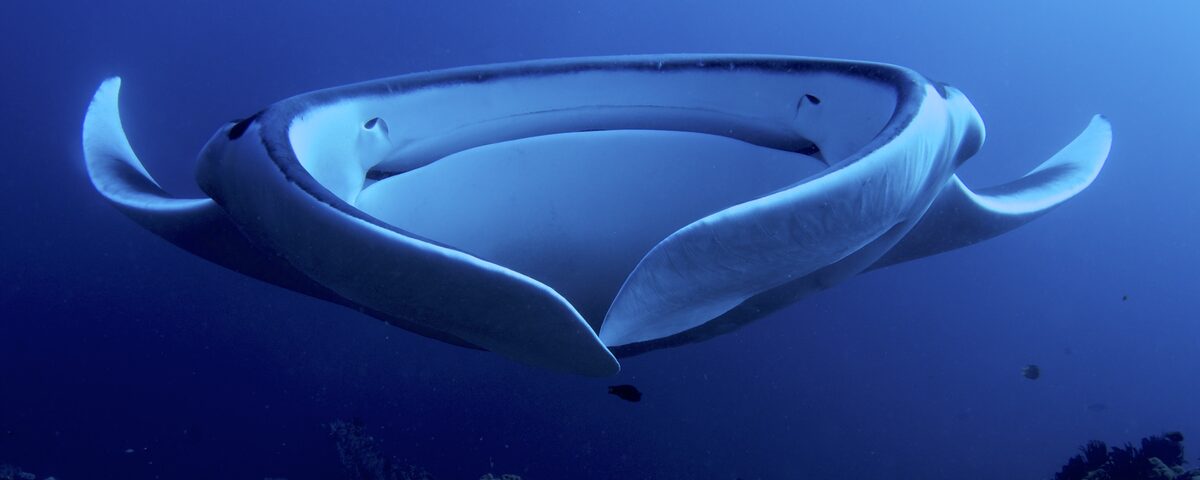
Leopard sharks rest on the sandy patches at the reef's edge, usually at 25 to 30 metres. Blue-spotted ribbontail rays sit half-buried in the sand between coral heads. Green turtles cruise through regularly, and hawksbill turtles feed on sponges growing on the bommie itself. During the peak months of February through April, the nutrient-rich water brings whale sharks and manta rays through the area. These are not guaranteed sightings, but they happen often enough that experienced guides will position their groups in blue water at the reef's edge when conditions suggest a pass is likely.
Parrotfish, wrasse, and triggerfish fill out the mid-water activity. Titan triggerfish nest in the sandy areas from January onwards and will charge at divers who stray too close to their nests. The clownfish here are predominantly Clark's anemonefish and skunk anemonefish, occupying bulb-tip and magnificent anemones scattered across the reef.
Dive Conditions
East of Eden benefits from its position on the sheltered eastern side of Koh Payu. The island itself blocks the northwest swells that affect the western Similan dive sites, creating consistently calmer conditions at this site compared to places like Elephant Head Rock on the exposed west coast.
Currents range from negligible to moderate. On most dives, a gentle drift pushes from north to south (or occasionally south to north), and the standard approach is to drop in at the upcurrent end and drift along the reef. Even when the current picks up, it rarely reaches a strength that would trouble a competent beginner. The drift simply means you cover more reef with less effort. On slack current days, you can park yourself on the main bommie and spend the entire dive within a 20 metre radius.
Depths run from 5 metres at the reef crest near shore to 35 metres where the slope meets the sand. The most productive diving sits between 8 and 25 metres, which is where the main bommie and the densest soft coral coverage are concentrated. Deeper than 25 metres, the reef thins into scattered coral heads on sand, which is where the leopard sharks and rays tend to rest.
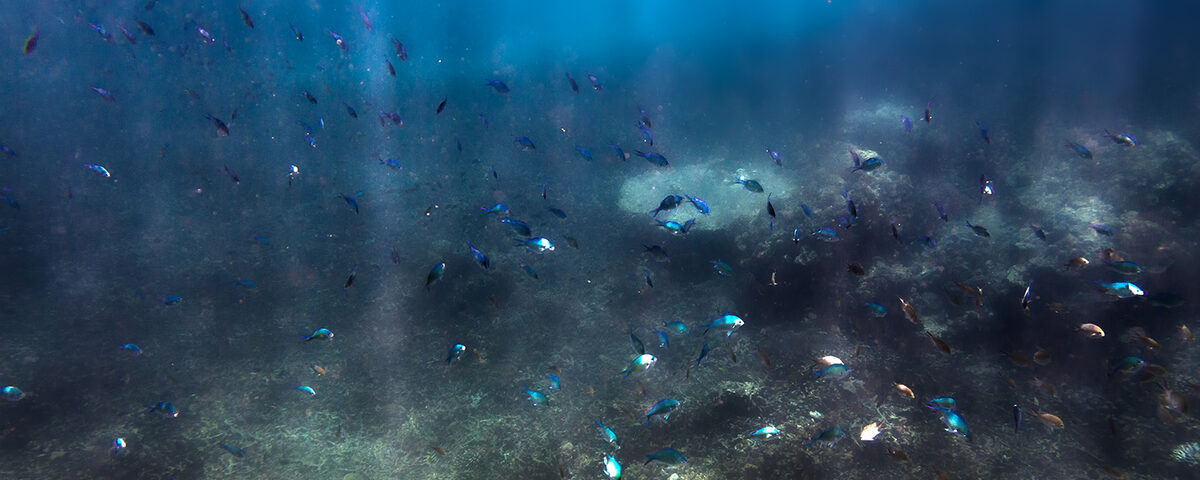
Visibility at East of Eden is consistently the best in the Similan archipelago. The sheltered eastern position means the site avoids the plankton blooms and surge-driven sediment that can reduce visibility on the west coast. Twenty metres is a poor day. Thirty metres is average. On the best days, typically from February through April, visibility exceeds 40 metres and the water takes on that deep cobalt blue colour that makes the Andaman Sea famous.
Water temperature holds between 27 and 29 degrees throughout the diving season. A 3mm full suit is standard. Some divers prefer a 5mm for repetitive dives on liveaboards, particularly on the deeper profiles where you spend time at 25 metres plus. A hood is unnecessary.
Surface conditions are generally calm on the eastern side. Boat mooring is straightforward, and surface intervals on the boat are comfortable. The site gets busier from about 10am when the day trip boats arrive from Khao Lak. Liveaboard guests who dive early morning (7am first splash) often have the reef entirely to themselves.
The park closes from mid-May to mid-October. No diving is permitted during the closure period. Water conditions during the monsoon months would make diving impractical in any case: reduced visibility, stronger currents, and rougher surface conditions.
⚓ Divemaster Notes
The main bommie is the star of the show, but do not make the mistake of heading straight for it and spending the entire dive there. The northern section of the reef has excellent hard coral coverage with staghorn and blue coral formations that most groups skip entirely. Start your dive in the north, work south along the reef slope at 12 to 18 metres, and arrive at the bommie with 120 bar remaining. That gives you 20 to 25 minutes on the structure itself before ascending for a safety stop over the shallow reef crest.
Brief your group on current direction before entry. The standard plan is to drop at the upcurrent end and drift, but if current is negligible, starting at the northern end and working south to the bommie provides the best narrative arc for the dive. The corals build in density and colour as you approach the bommie, creating a natural climax.
Buoyancy briefing is critical here. The soft corals covering the bommie are more fragile than they look, and the site's popularity means it receives a lot of fin-kick damage from less careful visitors. Keep your group at least a metre off the reef. Photographers will want to get close to macro subjects on the bommie, so remind them to stabilise with fingertip contact on bare rock only, never on coral.
The famous giant moray eel known as Emma lived in the main bommie for years and became a Similan celebrity. The original Emma died, but another giant moray has taken up residence in a similar location on the bommie's southern face at about 15 metres. It is generally tolerant of divers but do not encourage your group to approach too closely. The history of a diver losing a thumb to a fed moray here should be sufficient cautionary tale.
For photographers, morning light is best. The eastern orientation means direct sunlight hits the reef from early morning, and the shallow portions of the bommie (8 to 12 metres) glow with colour when the sun is low. Wide-angle setups excel here for the bommie and the soft coral landscapes. Switch to macro for the glassfish clouds, shrimp stations, and hawkfish on gorgonians.
Night diving at East of Eden is excellent and most liveaboards offer it. The bommie transforms after dark: painted spiny lobsters emerge from crevices, decorator crabs crawl across the soft corals, sleeping parrotfish wedge into mucus cocoons, and hunting lionfish patrol the reef edge. Spanish dancers occasionally appear on the deeper sections.
The site pairs well with Anita's Reef to the south for a second dive, or with a deeper dive at Deep Six if your group has the certification and air consumption for it.
How to Get to East of Eden
The Similan Islands sit approximately 70 kilometres offshore from the Phang Nga province coast in the Andaman Sea. Khao Lak is the primary gateway town. From Khao Lak, speedboats depart from Tab Lamu Navy Pier (Thap Lamu) and reach the Similan Islands in 60 to 90 minutes depending on sea conditions and the specific island targeted.
Day trip operators run daily departures during the open season (November to May), leaving Tab Lamu pier between 7:30 and 8:30am and returning by late afternoon. Prices for a two-dive day trip including national park fees, equipment, lunch, and transfers from Khao Lak hotels typically run between 3,500 and 5,500 THB. East of Eden is included on most standard Similan day trip itineraries.
Liveaboards offer the best access. Multi-day trips departing from Tab Lamu pier or Khao Lak cover the full Similan and Surin island chains, typically spending two to four days in the water with three to four dives per day. East of Eden appears on virtually every Similan liveaboard schedule, often as a morning dive or a night dive. Liveaboard pricing ranges from 15,000 THB for budget boats on a two-night trip to 80,000 THB or more for premium vessels on four-night itineraries covering both Similan and Surin (including Richelieu Rock).
Getting to Khao Lak from Bangkok involves a flight to Phuket International Airport (1 hour 15 minutes, served by AirAsia, Thai Lion Air, Bangkok Airways, and others) followed by a 90 minute drive north. Most liveaboard and day trip operators include Phuket or Khao Lak hotel transfers in their packages. Alternatively, flights to Surat Thani or Krabi with onward road transfer work but are less convenient.
Direct minivan services connect Phuket Airport to Khao Lak for 300 to 500 THB per person. Private taxi transfers cost 1,500 to 2,500 THB. Several operators also arrange transfers from Phuket town and Patong Beach.
National park entrance fees apply: 500 THB for foreign adults and 300 THB for children (as of the 2024/25 season). These are typically included in day trip and liveaboard pricing but confirm with your operator. The park fee is valid for the duration of your stay within park boundaries.
Gear Recommendations
A 3mm full wetsuit handles the 27 to 29 degree water temperature comfortably. On liveaboards with three to four dives per day, some divers prefer a 5mm suit by the third dive, particularly if profiles are running deeper on the bommie at 20 metres plus.
Wide-angle photography equipment gets the most out of East of Eden. The bommie, the soft coral landscapes, and the schooling fish all reward a fisheye or rectilinear wide lens. Bring strobes; the colours at depth need artificial light to render properly, and the purples and reds of the soft corals look washed out in available light below 10 metres. A compact camera with a wide-angle wet lens produces excellent results on this site if you are not carrying a full housing rig.
A macro lens is worth having as a second option for the glassfish, shrimp stations, and nudibranchs scattered across the reef. If you can only bring one setup, go wide. The bommie covered in soft corals with a diver for scale is the iconic East of Eden shot.
A dive torch is useful even during the day. The glassfish clouds inside the bommie's overhangs are stunning when lit from the side, and the boxer shrimp and other crustaceans hiding in the deeper crevices are invisible without a light. At night, a primary torch with at least 1000 lumens and a backup are standard.
Reef-safe sunscreen should be the default. The shallower sections of the reef sit at 5 to 8 metres, well within range of chemical sunscreen runoff. Mineral-based zinc oxide formulations are the responsible choice.
Surface marker buoy (SMB) and reel are good practice, particularly on drift dives when the current is running. Some operators require them. The site's open water location means boat traffic is a factor during surface intervals and ascents.
Most liveaboards provide all equipment. Day trip operators from Khao Lak also include rental gear in their pricing. If you own your own mask, computer, and wetsuit, bring them. The rental gear is functional but your own equipment always fits better.
Recommended Dive Operators
Sea Dragon Dive Center operates from Khao Lak with both day trips and its own liveaboard fleet. They run regular Similan itineraries and their guides know East of Eden thoroughly, having dived it thousands of times across multiple decades. PADI 5 Star IDC Centre with multilingual staff.
Wicked Diving is a Khao Lak-based operator known for marine conservation focus and smaller group sizes on their liveaboards. Their Similan trips emphasise underwater photography and slow, detailed dives rather than ticking off site lists. They were early advocates for reef protection in the archipelago and contribute to ongoing coral monitoring programmes.
The Manta Queen fleet operates several liveaboard vessels from Tab Lamu pier at various price points, from the budget-friendly Manta Queen 2 to the more comfortable Manta Queen 3. All vessels include East of Eden on their Similan itineraries. A reliable mid-range option for divers who want liveaboard access without the premium pricing.
Similan Dive Center runs Khao Lak-based day trips and multi-day liveaboard excursions. Long-established operator with experienced local guides and a solid safety record. They offer both PADI and SSI training courses that include Similan sites for advanced certification dives.
Khao Lak Scuba Adventures manages the Manta Queen fleet's bookings and also offers custom dive packages. Good option for groups wanting a coordinated Similan experience with flexibility on itinerary.
Liveaboard Options
The Similan Islands are Thailand's premier liveaboard destination, and East of Eden appears on every Similan itinerary. Liveaboard access provides the significant advantage of early morning and night dives at the site, before and after day trip boats are present.
The Manta Queen fleet (Manta Queen 2, 3, 5, and 6) offers the widest range of pricing. The Manta Queen 2 runs budget-friendly two-night trips covering the Similan Islands from around 10,000 to 15,000 THB. The Manta Queen 3 and higher-numbered vessels offer more cabin space and comfort for 15,000 to 25,000 THB on similar routes. All include East of Eden as a standard stop.
MV Giamani operates a well-maintained sailing vessel with a focus on smaller groups and a more relaxed atmosphere. Their four-night itineraries cover both Similan and Surin Islands, including Richelieu Rock, Koh Bon, and Koh Tachai. Premium pricing (40,000 to 60,000 THB) but the experience reflects it.
MV Sawasdee Fasai and MV Pawara are mid-range to premium steel-hulled liveaboards with comfortable cabins and experienced Thai and international crew. Four-night full Similan to Surin routes typically run 30,000 to 55,000 THB depending on cabin category.
The Junk is a converted traditional wooden sailing vessel offering a unique atmosphere. Not the most spacious option, but the character and the crew's knowledge of the sites make it popular with repeat visitors. Two and four-night options available.
Bookings should be made well in advance for the peak months of January through March, when the most popular vessels sell out months ahead. The shoulder months of November, December, April, and early May offer lower prices, fewer crowds, and still-excellent diving conditions.