Dive Sites in Raja Ampat, Indonesia
10 dive sites in Raja Ampat
The world record holder for fish species on a single dive (374 at Cape Kri). Raja Ampat in West Papua sits at the absolute peak of global marine biodiversity, with reefs approaching 100% live coral coverage. Remote and premium-priced, but nothing else comes close. Browse all Raja Ampat dive sites below.
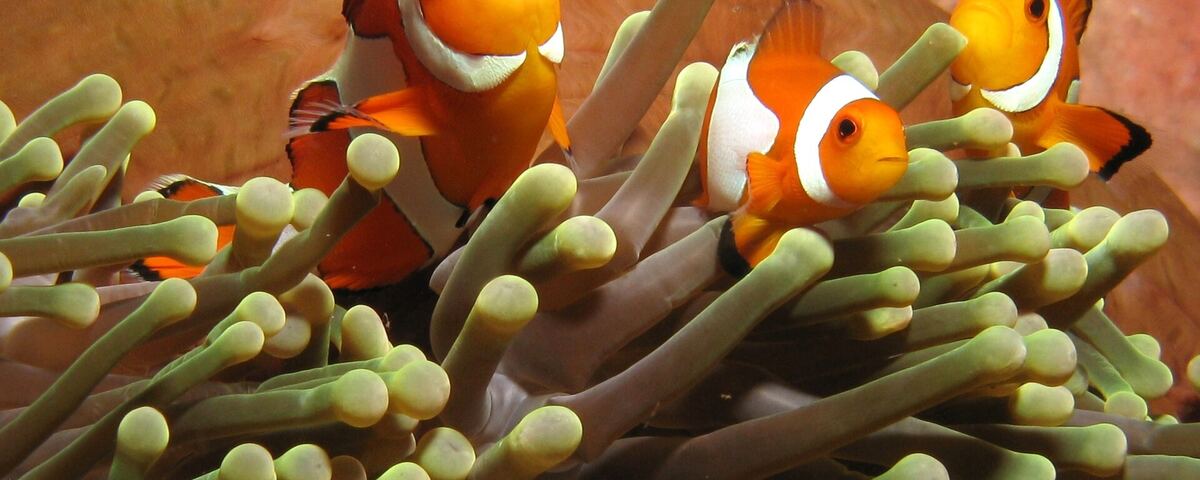
Arborek Jetty proves that world-class diving doesn't require walls, pinnacles, or ripping currents. The wooden jetty extending from Arborek village in...
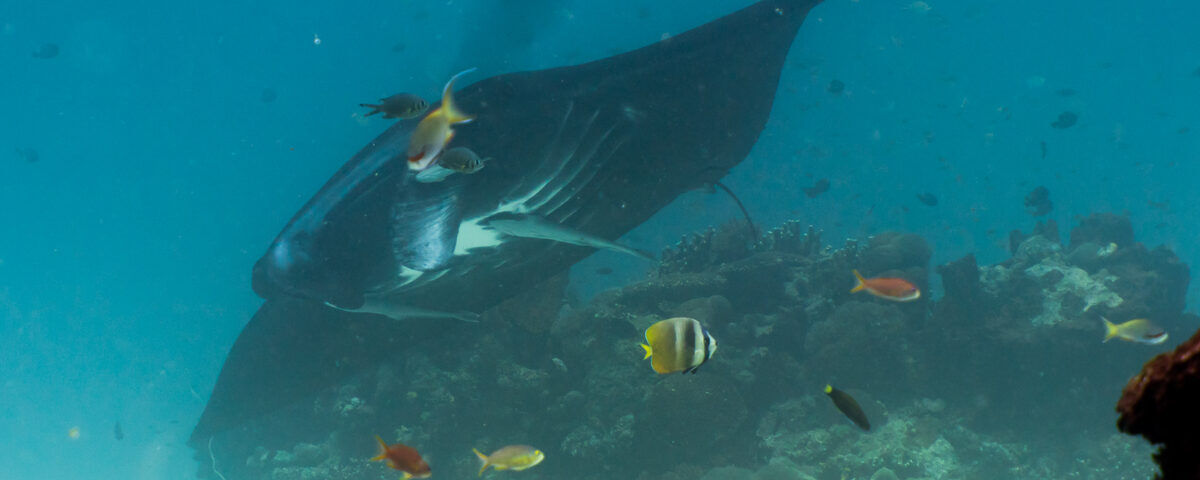
Blue Magic is a submerged seamount in the Dampier Strait that acts as a magnet for everything big in Raja Ampat. Mantas, sharks, schooling barracuda, ...
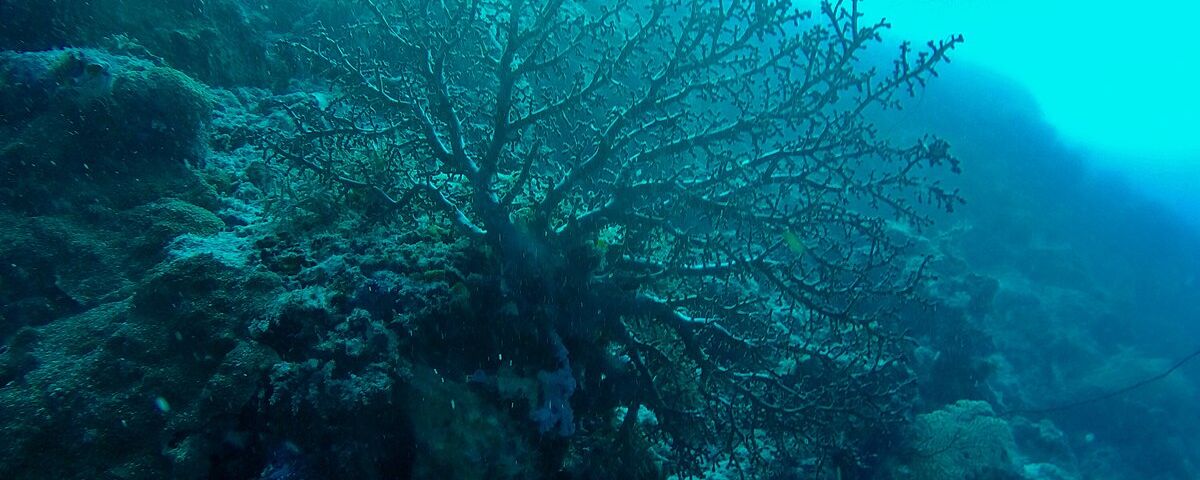
Cape Kri holds the world record for the highest number of fish species counted on a single dive. In 2012, Dr Gerald Allen documented 374 species in a ...
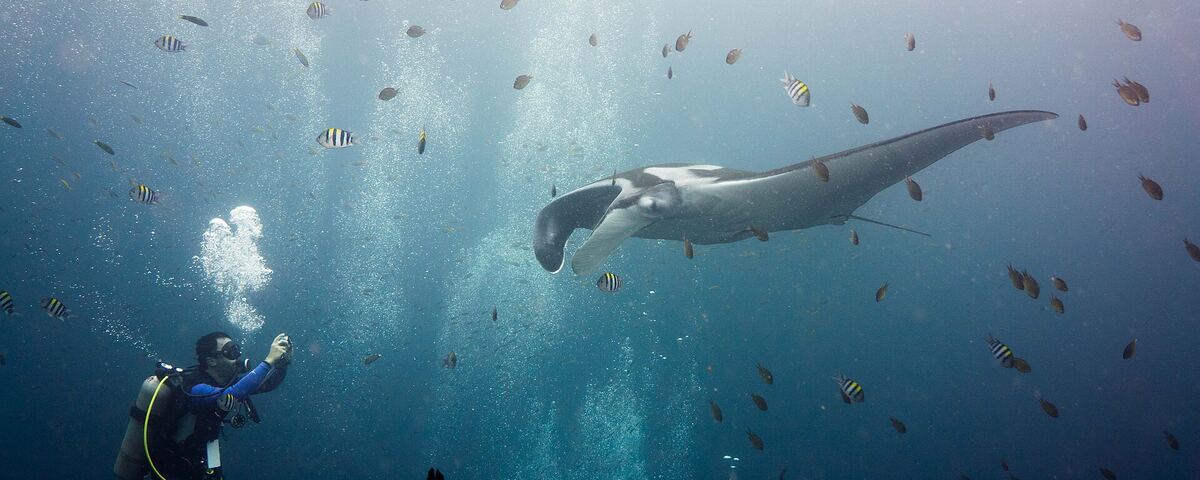
Cape Mansuar occupies the southwestern tip of Mansuar Island, a headland where the Dampier Strait's tidal flow accelerates around the point and produc...
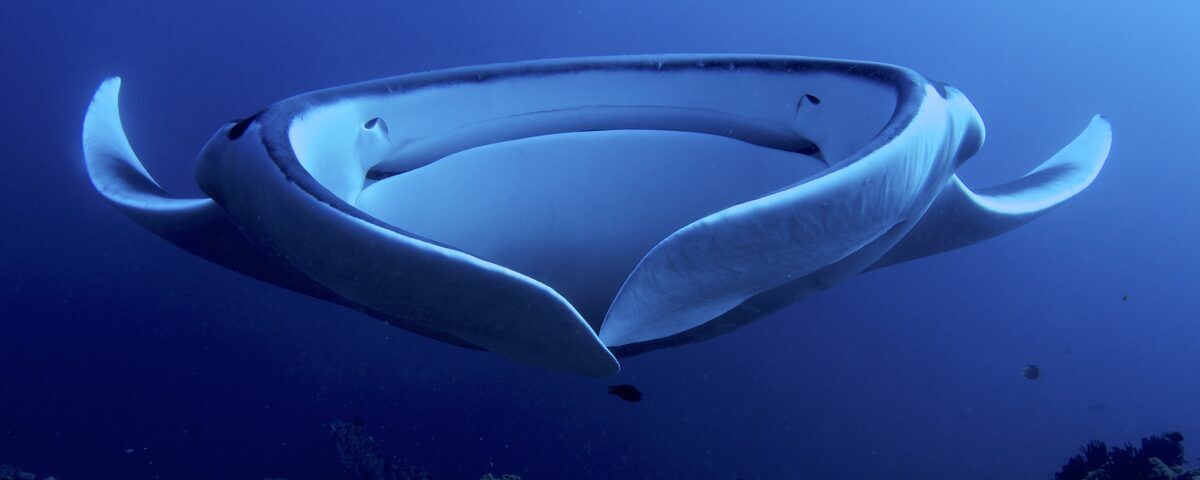
Manta Sandy is a flat, sandy bay where reef manta rays come to be cleaned, and the dive couldn't be simpler. You descend to a sandy bottom at 15 to 18...
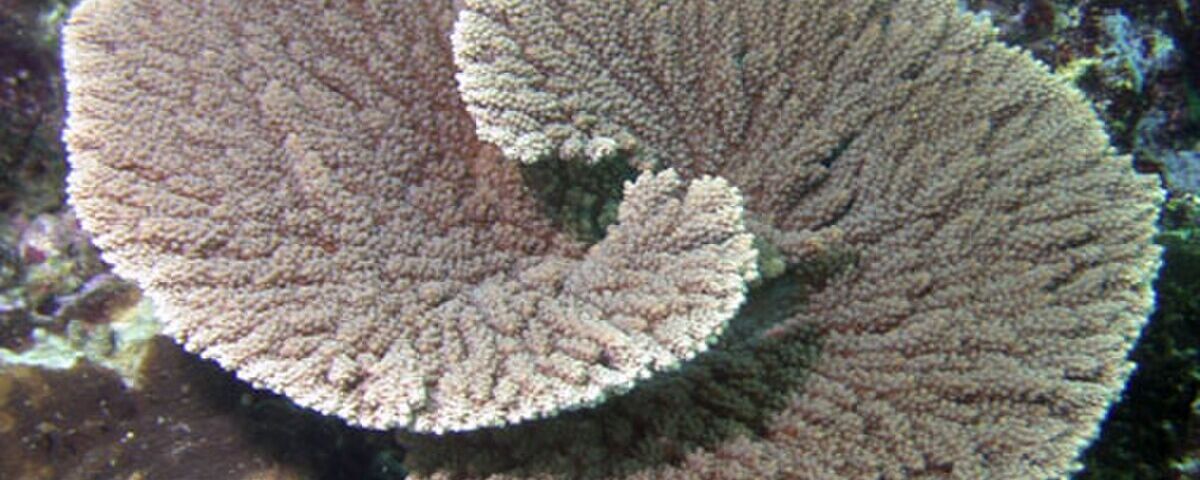
Melissa's Garden is what a coral reef is supposed to look like. Not damaged, not recovering, not 'for its condition.' Just pristine. The shallow reef ...
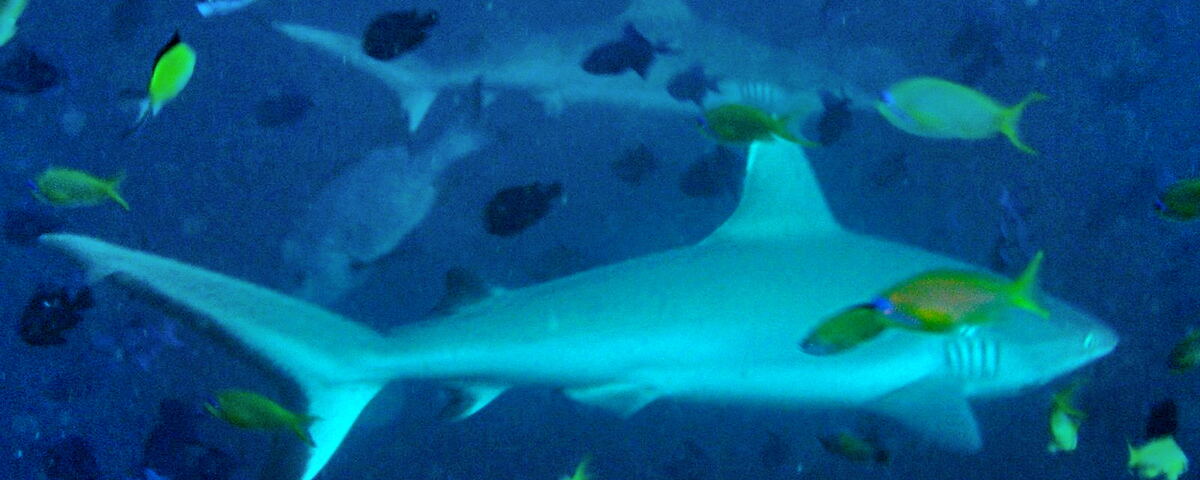
Mike's Point is the adrenaline hit on Kri Island's reef system. Named after Max Ammer's original dive guide Mike, this exposed point juts into the Dam...
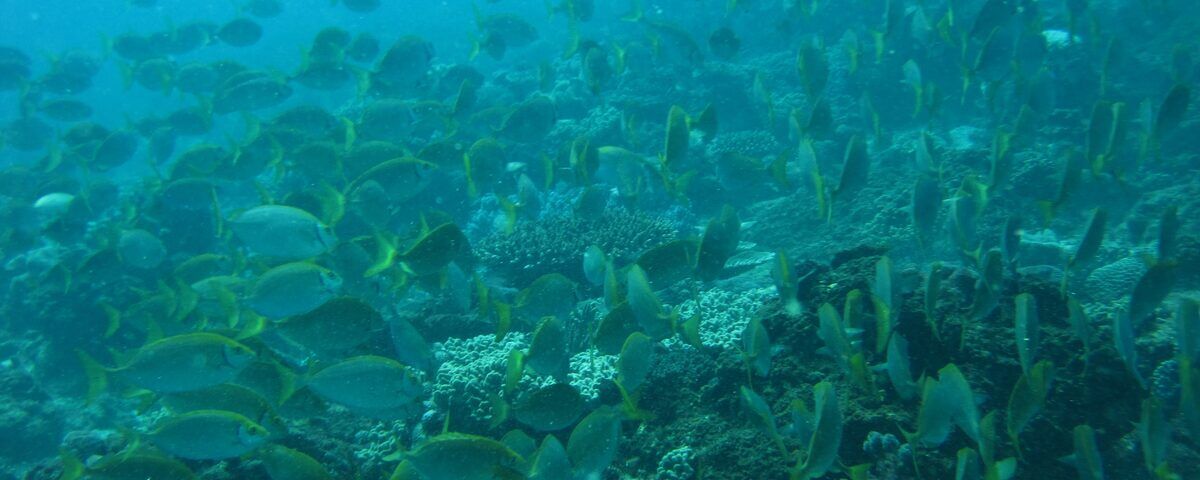
Sardines Reef earns its name within seconds of descending. A permanent baitball of silverside and sardines hangs above the reef, a shimmering, shiftin...
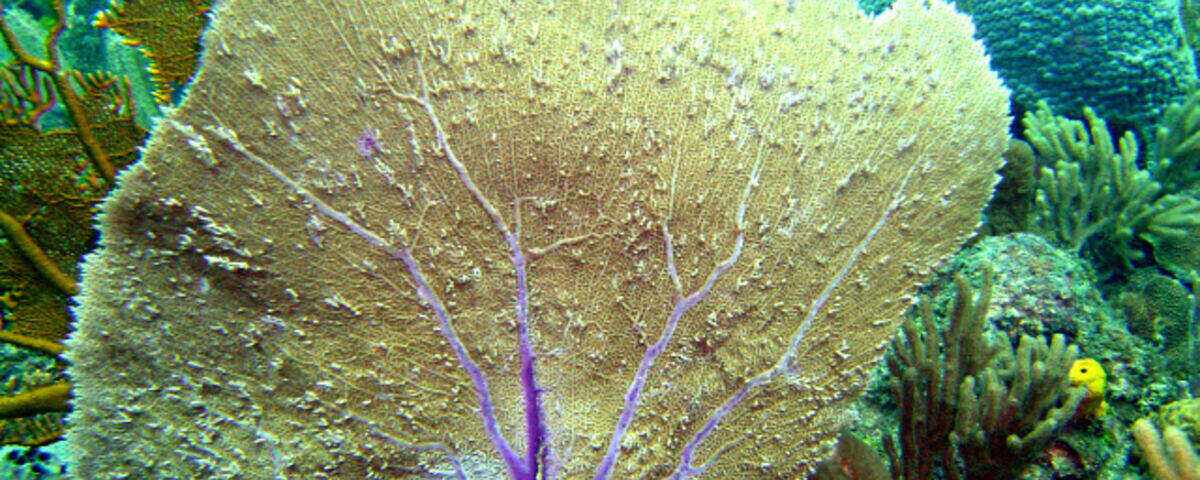
Sorido Wall drops off the northwest tip of Kri Island in the Dampier Strait, and it belongs to a reef system that holds the current world record for f...
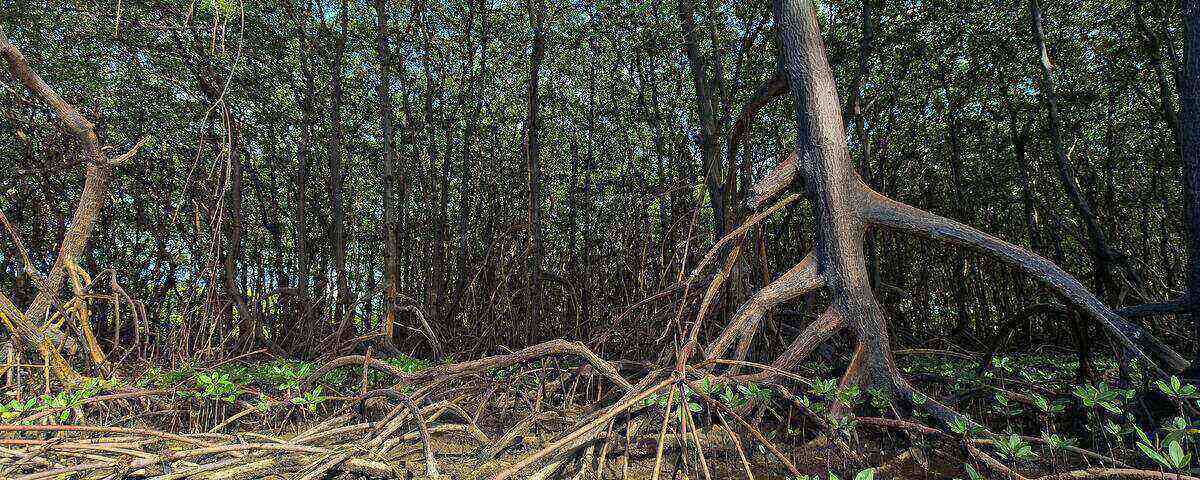
The Passage is one of diving's genuinely unique experiences, a narrow channel between Waigeo and Gam islands where the ocean floor rises to meet an ov...
Cape Kri holds the world record: 374 fish species counted on a single dive. That number alone tells you what diving in Raja Ampat is about. Located in West Papua at the far eastern edge of Indonesia, this archipelago of over 1,500 small islands sits at the absolute peak of global marine biodiversity. Nothing else comes close.
The reefs here are in a category of their own. Hard coral coverage is extraordinary, with some sites approaching 100% live coral across the substrate. Soft corals, sea fans, and sponges add layers of colour that feel almost artificial in their intensity. Species counts for fish, coral, and invertebrates consistently exceed those recorded anywhere else on the planet.
Diving conditions vary across four main areas: Dampier Strait (strong currents, mantas, schools of fish), Misool (pristine soft coral gardens, wobbegong sharks, pygmy seahorses), Wayag (dramatic karst scenery, reef sharks), and Kri/Mansuar (the legendary biodiversity counts). Each zone offers different character, and most trips spend at least a week to cover the range.
Getting to Raja Ampat requires effort. Fly to Sorong via Jakarta or Makassar, then take a ferry or speedboat to Waisai or your resort. Liveaboards depart from Sorong. This remoteness keeps visitor numbers low and the reefs in exceptional condition, but it also means Raja Ampat is expensive. Liveaboard trips start around $3,000 for a week; resort stays with diving packages are slightly less but still premium.
The trade-off is worth it. Visibility ranges from 15 to 30 metres depending on conditions, water temperature sits around 28 to 30°C, and the diving suits intermediates through advanced divers. Some sites have current; others are gentle enough for confident Open Water divers. October to April is generally the best season, though diving runs year-round.